Building an Electronic Certificate of Origin System: Lessons from Sri Lanka's eCoO
Technical and operational insights from developing Sri Lanka's electronic Certificate of Origin system for the Export Development Board.
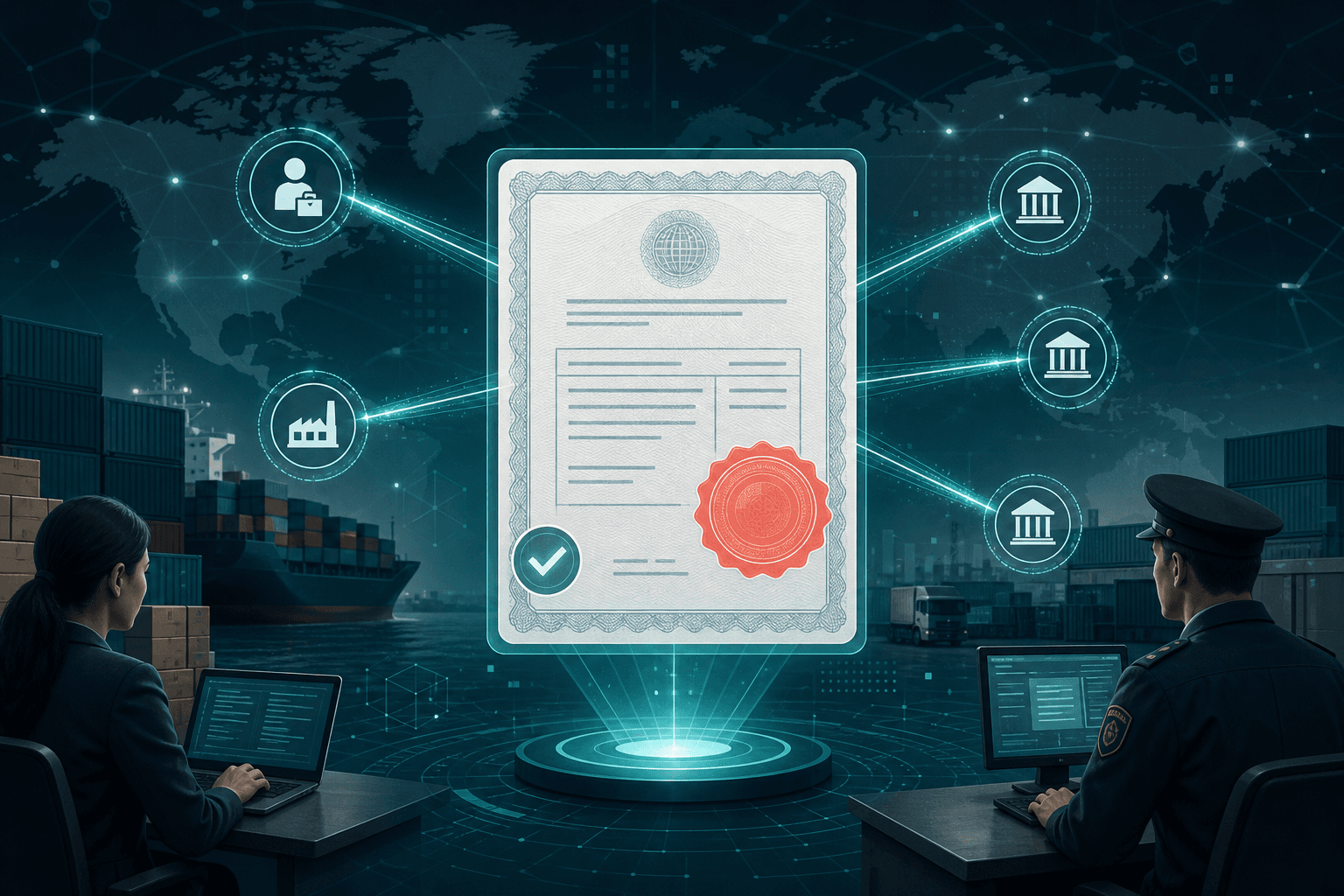
What is an Electronic Certificate of Origin?
A Certificate of Origin (CoO) certifies where exported goods were manufactured — required by customs authorities worldwide for tariff determination and trade agreement compliance. Paper-based CoO processing creates delays, fraud risk, and administrative burden for exporters and government agencies alike.
Sri Lanka's Export Development Board partnered with Elysian Crest to build the eCoO system — digitizing the entire CoO lifecycle from application to issuance and verification.
System Architecture Requirements
Trade documentation systems have unique technical demands.
- Multi-stakeholder workflow: exporters, chambers of commerce, EDB officers, customs
- Document verification with digital signatures and tamper-proof records
- Integration with customs systems and international trade platforms
- Payment gateway for processing fees
- Audit trail meeting international trade compliance standards
- High availability during peak export seasons
Key Implementation Challenges
Stakeholder alignment across government agencies, chambers of commerce, and the exporter community required extensive consultation before development began. Legacy data migration from paper records needed careful validation. Training programs for exporters unfamiliar with digital processes were essential for adoption.
Measurable Impact
Digital CoO processing reduced average issuance time from days to hours. Error rates dropped significantly with automated validation. Exporters gained real-time application tracking. Government officers shifted from data entry to verification and compliance — higher-value work that improves trade facilitation.
Frequently asked questions
Related articles
GovTech & Digital Government Transformation: A Practical Guide
A practical GovTech guide for Sri Lankan and APAC public sector leaders — how agencies digitize citizen services from strategy and procurement through delivery and change management.
Citizen Portal UX and Accessibility Checklist for Government Sites
A practical checklist for building inclusive government portals — WCAG accessibility, mobile-first UX, multilingual content, and trust signals citizens need.
Trade Facilitation Systems Architecture: Building Multi-Agency Platforms
Architecture patterns for electronic trade documents, certificate workflows, payments, and verification portals — based on real Sri Lankan trade facilitation delivery.